Kenai River Drift Boat Fishing: How a Guide Reads the Water

 Published: Nov 26, 2026
 7 min read
Summary
An expert look at how Kenai River drift boat fishing works, from reading the current to following the fish. Written for anglers who want a hands-on, technique-focused day on the water with a local guide.
The boat slides off the bank and the river takes it. There is no engine note, just water against the hull and Nate Rogers leaning into the oars, picking a line through the seam where fast water meets slow. That quiet is the first thing most people notice about drift boat fishing on the Kenai River, and it shapes everything about how the day unfolds.
What a Drift Boat Actually Is
A drift boat is a small, open boat built to travel with the current instead of against it. The guide sits at the oars and steers, holding the boat on a chosen line while anglers fish from the sides. Because the boat moves at the speed of the river, your lure or bait can move through the water in a natural way, close to how food drifts down to a fish.
That is the core idea behind Kenai River drift boat fishing. The river does most of the traveling. The guide decides where the boat goes, how fast it slides, and when to slow down over a spot worth working. Nate Of The North Outdoors runs this style of trip on the Kenai River, and the way it is run has a lot to do with who is rowing.
Reading the Current
Reading the current is the skill that separates a guide who knows a river from one who is just floating it. Moving water is never uniform. Some stretches run fast and shallow, others slow down and deepen, and the places where those speeds meet often create the edges fish like to hold along. A good guide looks at surface texture, color, and the way the water folds around rocks, bends, and banks.
Fish tend to sit where they can rest without burning too much energy, while still being close to moving water that brings food past them. Seams, pockets behind structure, and the soft inside edge of a bend are the kinds of places a guide watches. None of that is visible to someone looking at the river for the first time, which is a big reason guided fishing on the Kenai River is so useful for anglers who want to learn.
Nate's approach comes from years on rivers, lakes, and saltwater, and his local knowledge of this particular river is what turns general ideas about current into specific decisions. Where to start a drift, where to hold the boat, and when to move on are choices made on the spot, based on what the water is doing that day.
Following the Fish
A drift is not a fixed route. Water levels, conditions, and fish behavior change, so the plan changes with them. Part of the guide's job is to adjust: slowing the boat to hold over a productive stretch, picking a different line on the next pass, or moving to another part of the river when a spot goes quiet.
This is what following the fish looks like in practice. Instead of anchoring in one place and hoping, the boat covers water with purpose. Each drift gives the angler a fresh look at a new piece of river, and each one is a chance to put what the guide is explaining into action.
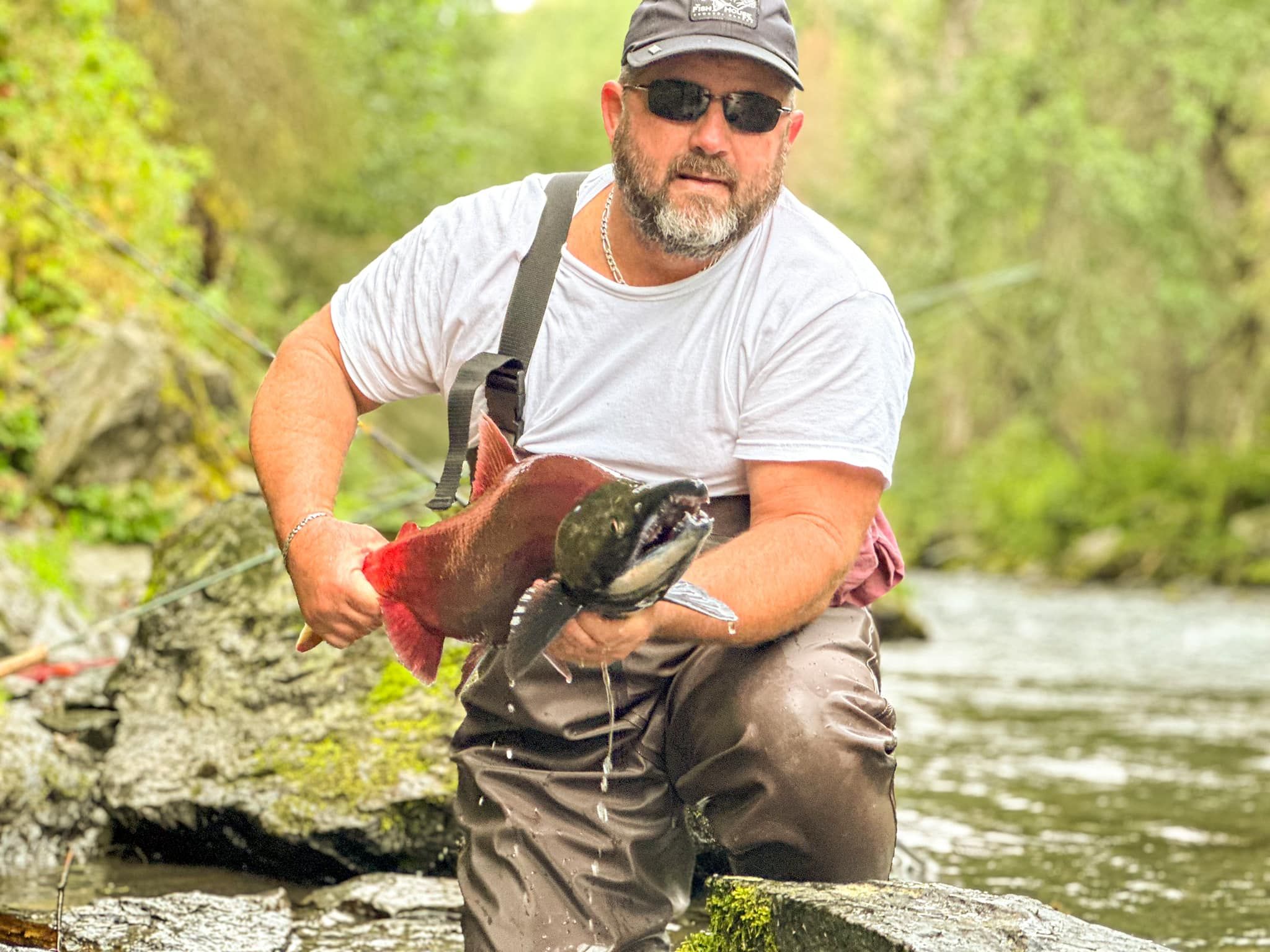
- The guide picks the line and controls the speed of the drift.
- Anglers work their presentation through water the guide has chosen.
- The group adjusts between drifts based on what the river and the fish show them.
Why Drifting Suits Hands-On Anglers
Drift boat fishing rewards people who like to be involved. You are not sitting back while a motor carries you to a spot. You are watching the water, learning why the guide chose a line, and paying attention to how your presentation moves through the current. The better you understand what the river is doing, the more you can do with it.
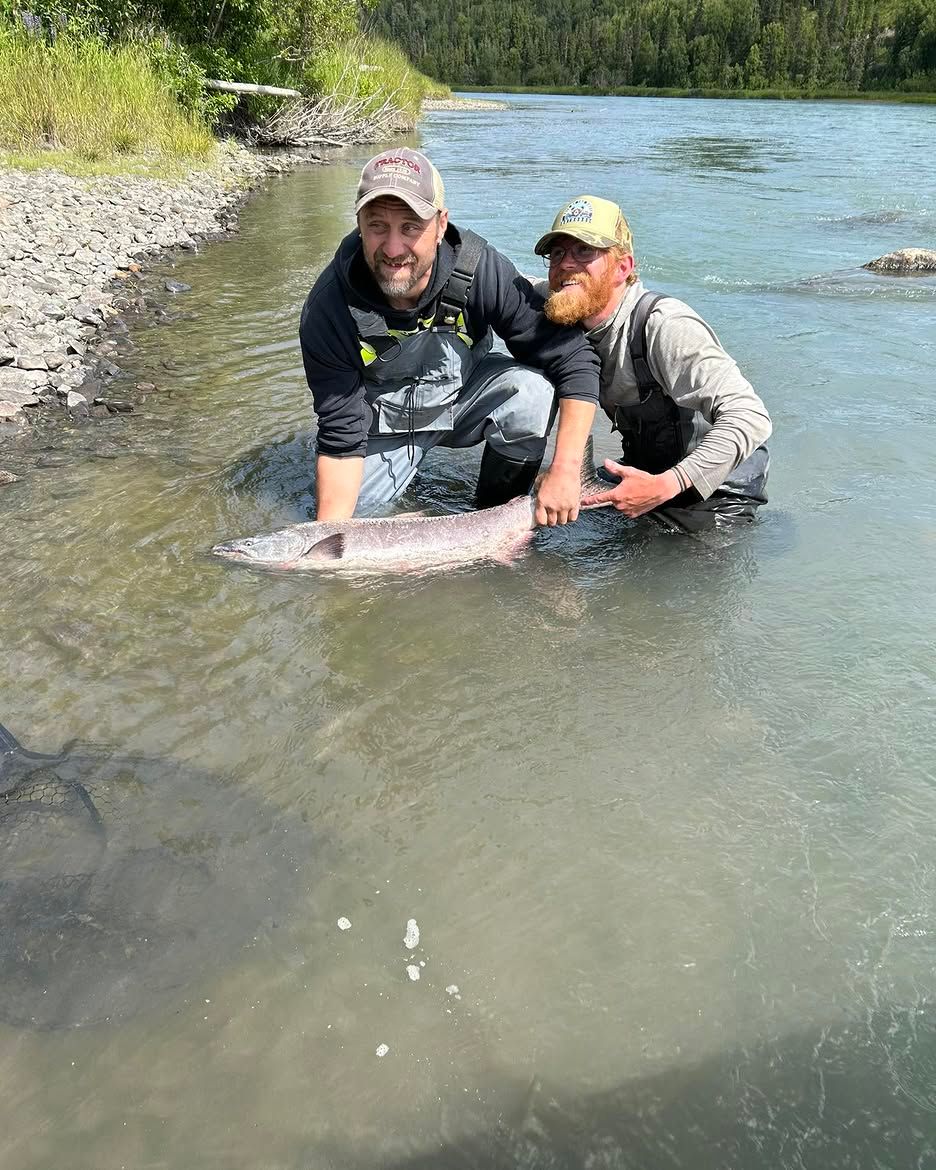
That fits the way Nate runs his trips. His guide service is built around hands-on fishing and around connection to the fish, the water, and the people on the boat. A local once said that Nate does not own a motor but winds up becoming the motor, and anyone who has watched a guide row a boat through a day on the river will understand the joke. His energy and patience are a big part of what makes the day work.
For anglers who care about technique, a drift trip is also a good classroom. Questions are welcome, and a day on the Kenai is a chance to pick up habits that carry over to other rivers: how to watch for seams, how to think about depth and speed, and how to stay patient when a stretch is slow.
How a Day on the Water Is Approached
A day on a drift boat trip is built around the river instead of a rigid schedule. The guide reads conditions, chooses where to begin, and sets the pace. Anglers fish through each stretch while the boat moves along, then regroup as the water changes. Patience matters, and so does a willingness to adjust.
Nate has described his trips as more than a day of fishing. They are meant to be an education and a full Alaskan experience, with stories and laughs along the way. That tone is part of the drift: it is relaxed, but it is not passive. Everyone on the boat is working with the river.
Matching the Trip to Your Goals
If this style of fishing sounds like a fit, the drift boat trip on the Kenai River focuses on reading the current, following the fish, and learning the craft of drifting. Nate also offers drift boat trips on the Kasilof River, with flexible fishing techniques and expert guidance, for anglers who want to see a different piece of water.
Either way, the idea is the same. You are on a boat that moves with the river, guided by someone who knows how to read it. If you want to understand why fish sit where they do and how to put a presentation in front of them, a day drifting the Kenai with a local guide is a direct way to learn it.